
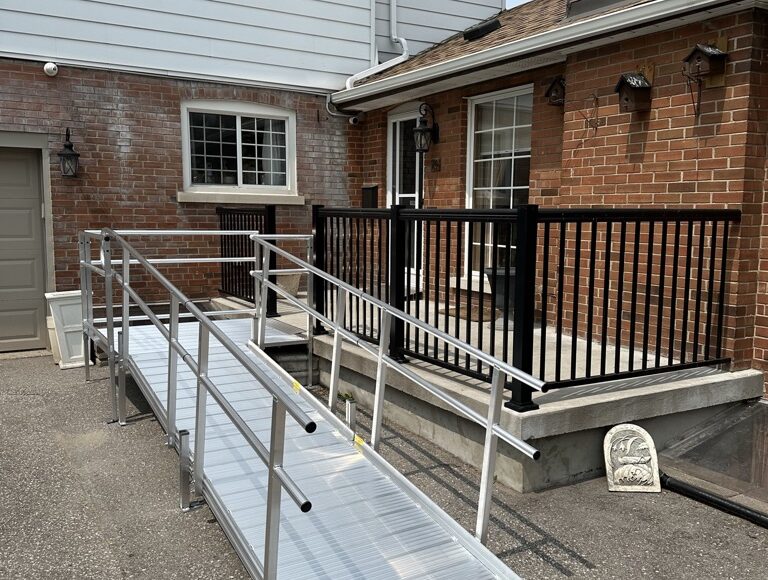
Residential Wheelchair Ramps: Designing Safe Slopes for Better Home Accessibility
Accessibility at home plays a crucial role in maintaining independence, safety, and comfort for individuals with mobility challenges. One of the most effective solutions is installing residential wheelchair ramps, which provide a smooth and secure way to navigate entryways, steps, and elevated surfaces. Whether you are planning a new installation or upgrading your home, understanding ramp design, slope, and structure is essential.
Trusted providers like First Choice Access offer high-quality modular solutions designed to meet diverse residential needs, ensuring safety and long-term usability.
What Are Residential Wheelchair Ramps?
Residential wheelchair ramps are inclined surfaces installed at home entrances to replace or complement stairs. They allow wheelchair users, seniors, and individuals with limited mobility to move safely between different height levels.
Modern ramps are typically made from aluminum or steel, offering durability, weather resistance, and minimal maintenance. Many homeowners prefer modular ramps because they provide flexibility without requiring major structural changes.
Why Residential Wheelchair Ramps Are Essential
Installing a residential wheelchair ramp is not just about convenience—it significantly improves quality of life. These ramps help:
- Provide safe and easy home access
- Reduce the risk of falls and injuries
- Support independence for wheelchair users
- Make homes more inclusive for visitors and family members
A well-designed ramp ensures that daily tasks like entering or exiting the house become effortless and stress-free.
Understanding Residential Wheelchair Ramp Slope
One of the most critical factors in ramp design is the residential wheelchair ramp slope. The slope determines how steep or gentle the ramp is, directly affecting safety and usability.
The commonly recommended guideline is a 1:12 ratio, meaning for every 1 inch of vertical rise, you need at least 12 inches of ramp length.
Why Slope Matters
- A steeper slope can be difficult and unsafe for users
- A gentle slope ensures smooth and controlled movement
- Proper slope reduces strain for caregivers and users
For example, if your home entrance is 24 inches high, you would need a ramp that is at least 24 feet long to maintain a safe incline.
Residential Ramp Pitch for Wheelchairs Explained
The residential ramp pitch for wheelchairs refers to the angle or incline of the ramp, which is closely related to slope. While slope is measured as a ratio, pitch describes how steep the ramp feels during use.
A proper ramp pitch ensures:
- Comfortable navigation without excessive effort
- Safe descent without losing control
- Stability for both manual and powered wheelchairs
Maintaining the correct pitch is especially important for elderly users and those with limited upper body strength.
Benefits of Modular Residential Wheelchair Ramps
Modular systems have become a popular choice for homeowners due to their flexibility and ease of installation. First Choice Access specializes in these solutions, offering reliable and customizable ramp systems.
Key advantages include:
- Customizable Design: Fits different home layouts
- Easy Installation: No major construction required
- Durability: Weather-resistant materials like aluminum
- Reusability: Can be relocated or expanded
- Low Maintenance: Long-lasting performance
These features make modular ramps ideal for both short-term and long-term residential use.
Choosing the Right Residential Wheelchair Ramp
Selecting the right ramp involves evaluating several important factors:
1. Height of Entryway
Measure the vertical rise from the ground to your door to determine the required ramp length.
2. Available Space
If space is limited, modular ramps can include turns or platforms to fit compact areas.
3. Weight Capacity
Ensure the ramp supports the user and mobility device safely.
4. Surface Safety
Non-slip surfaces and handrails improve stability and confidence.
5. Frequency of Use
Daily use requires a more durable and permanent-quality solution.
Working with experts like First Choice Access ensures proper design and installation.
Where Residential Wheelchair Ramps Are Used
Residential ramps are highly versatile and can be installed in various areas, including:
- Front and back entrances
- Garage access points
- Garden or patio areas
- Indoor level transitions
Their adaptability makes them suitable for a wide range of accessibility needs.
Improving Home Accessibility with the Right Ramp
A properly designed residential wheelchair ramp does more than just provide access—it transforms the living experience. It allows individuals to maintain independence, reduces reliance on assistance, and creates a safer home environment.
Modular ramps offer a modern solution that balances convenience, safety, and flexibility while maintaining a clean and functional design.
Why Choose a Trusted Provider
Investing in accessibility equipment requires quality and reliability. First Choice Access offers a wide range of solutions tailored to residential needs.
Their expertise ensures:
- Accurate slope and ramp pitch calculations
- Safe and compliant installations
- Customized ramp configurations
Final Thoughts
Creating an accessible home starts with the right solutions. By installing well-designed residential wheelchair ramps, homeowners can ensure safety, comfort, and independence for themselves or their loved ones.
Understanding key factors like residential wheelchair ramp slope and residential ramp pitch for wheelchairs helps in choosing the best design. With high-quality modular systems from First Choice Access, achieving a barrier-free home is both practical and efficient.
A well-planned ramp is more than an addition—it’s a long-term investment in safety, mobility, and quality of life.
Contact Us:
📍 10 George St N, Suite #180, Brampton, ON L6X 1R2
📞 416-836-1382


Leave a Comment